Quick answer: Before the holidays, test every carbon monoxide and smoke alarm, have gas heating appliances checked if they have not been serviced recently, keep vents and flues clear, and never run a car, generator, or grill in or near an attached garage. In the Phoenix area, many gas appliances sit idle for months, so the first cool weeks of the year are when problems tend to show up.
In much of the country, furnaces run all winter and people think about carbon monoxide every year. In the Valley, our heaters spend most of the year switched off. That long rest is exactly why November deserves attention. Dust settles in burners, pests nest in vents, and small problems go unnoticed until the first chilly evening, often right when family and guests arrive for the holidays.
Here is what homeowners in Chandler, Scottsdale, Tempe, and across the Phoenix Metro should check before the season gets busy.
Carbon monoxide (CO) is a colorless, odorless gas produced whenever fuel burns. In a typical Arizona home, the possible sources include:
When these appliances are working properly and venting correctly, CO goes outside. When a vent is blocked, a flue is disconnected, or a burner is not burning cleanly, it can build up inside.
A working carbon monoxide alarm is the single most important safeguard. Take a few minutes to:
If you have guests staying in a casita, guest suite, or converted room, make sure that space has an alarm too.
Many Valley homes use a heat pump, but plenty of homes in Mesa, Gilbert, and older neighborhoods in Phoenix and Tempe heat with gas. If yours does, watch for:
If the system has not been serviced in a while, have a licensed HVAC contractor clean and check it before you rely on it.
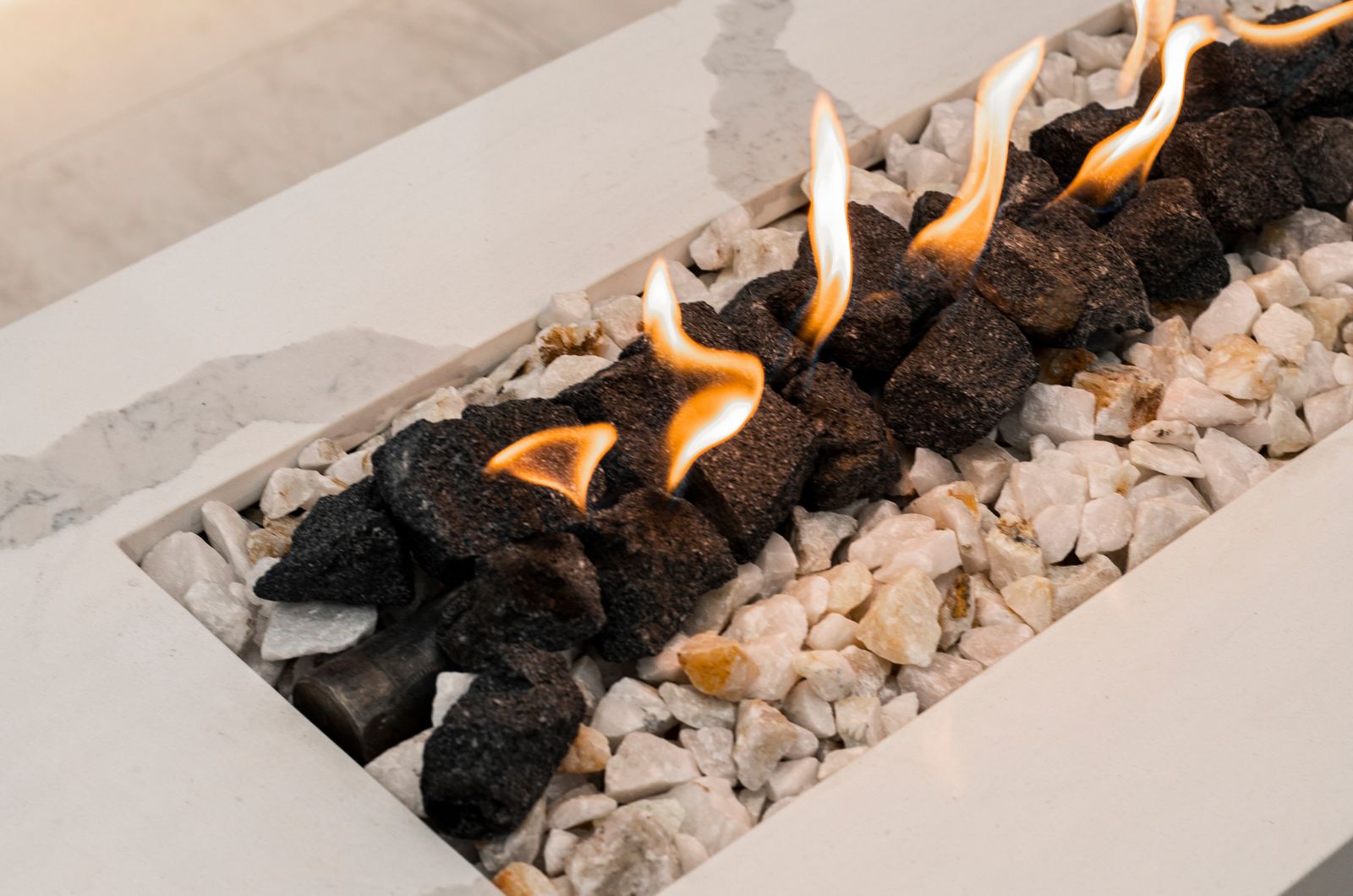
A gas fireplace is a holiday favorite, and it is often the appliance used least during the rest of the year. Before you light it:
If you smell gas at any time, do not light anything or flip switches. Leave the home and call your gas utility from outside.
Gas water heaters work harder when the house fills with guests and showers run back to back. Check that the vent pipe on top is firmly attached and sloped up, that there is no rust or scorching around the burner opening, and that storage boxes and holiday décor are not stacked against the heater.
In the garage, never run a car, generator, or gas-powered tool with the door closed, even for a few minutes. CO can move from an attached garage into the living space through doors, ducts, and gaps in the shared wall.
Carbon monoxide symptoms are easy to mistake for a cold or the flu: headache, dizziness, nausea, weakness, and confusion. Pay attention if:
If your CO alarm sounds or you suspect exposure, get everyone outside to fresh air and call 911.
During a home inspection, Desert Oasis Property Inspections looks at the heating system, the water heater, and visible venting, along with the structure, roof, electrical, plumbing, and built-in appliances. If you are buying a home this season, those findings are a great starting point for any service or repairs before you move in. For homeowners, our inspection details page explains exactly what is covered.
Getting your home ready after the summer storms? Our post-monsoon fall home checklist covers the roof, stucco, and drainage.
Want a clear picture of your home's systems before the holidays? Schedule your inspection with Desert Oasis Property Inspections, serving Chandler, Gilbert, Mesa, Scottsdale, Tempe, and the wider Phoenix Metro, or contact us for a quote.
Serving Phoenix, AZ and surrounding areas. Detailed reports, delivered within 24 hours. Call or text 480-343-1336.
Schedule Now